
Tyranny is tyranny whether from the right or left. Pretty obvious but much of our political discourse insists on ignoring it. We’ve had 50 odd years of pro-market propaganda claiming that government is bad, evil, authoritarian, even tyrannical, and now we’re stuck with the opposite–a corporate or market tyranny. Funny that.
Along the way we’ve been instructed that there is no alternative to the tyranny of the market ideology of neoliberalism. The US has a world -class advertising, PR and propaganda system and one of the most effective ways in which power maintains its position is by persuading us that the arrangements under which we live are inevitable. Thatcher was the prime exponent of this. She said “There is no alternative” (TINA) and neoliberals have said so, ever since.
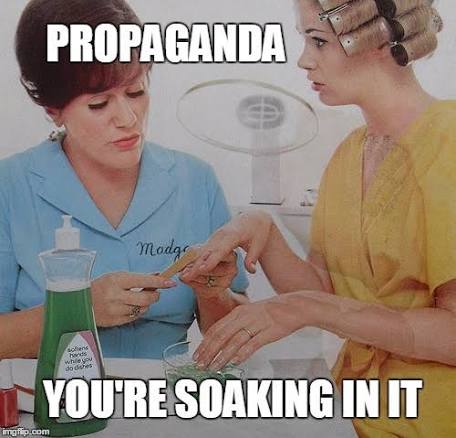
We can protest. We can become enraged. We can even vote for different politicians and different parties. But if every new administration accepts the same constraints, protects the same interests and offers variations on the same diktats of the market, then meaningful change is excluded before political debate has really begun. For years now, truly consequential decisions have been removed from the realm of political debate, imposed instead as inevitable or (TINA). Today’s technological and managerial culture only reinforces this tendency. The result is that the US has adapted a regime of post-democracy, or oligarchy policed by capitalist power. And now with AI and the Tech-bros this power is becoming increasingly concentrated.
Aristotle already noted that what constitutions call democracy are really oligarchies. And the problem for oligarchies for the last maybe twenty-five hundred years is how do you protect property/capital from democracy, literally rule by the majority, so that it is controlled by the elite? What we have is a “liberal democracy”, which is a type of democracy that is aimed at keeping capitalism in place while permitting some limited forms of political participation, through voting, to ordinary citizens.
All of this is to say that what seems to be a political crisis where every election this century has been a protest one is really an oligarchy crisis complete with a financial class dominating the economy, concentrating wealth and polarizing society. What’s instructive is that for all the vitriol aimed at government, it remains essential for the imposition of the market-into-every-facet of our lives, because the billionaires, who own the banks and corporations have captured our government and repurposed it to serve their interests rather than ours.
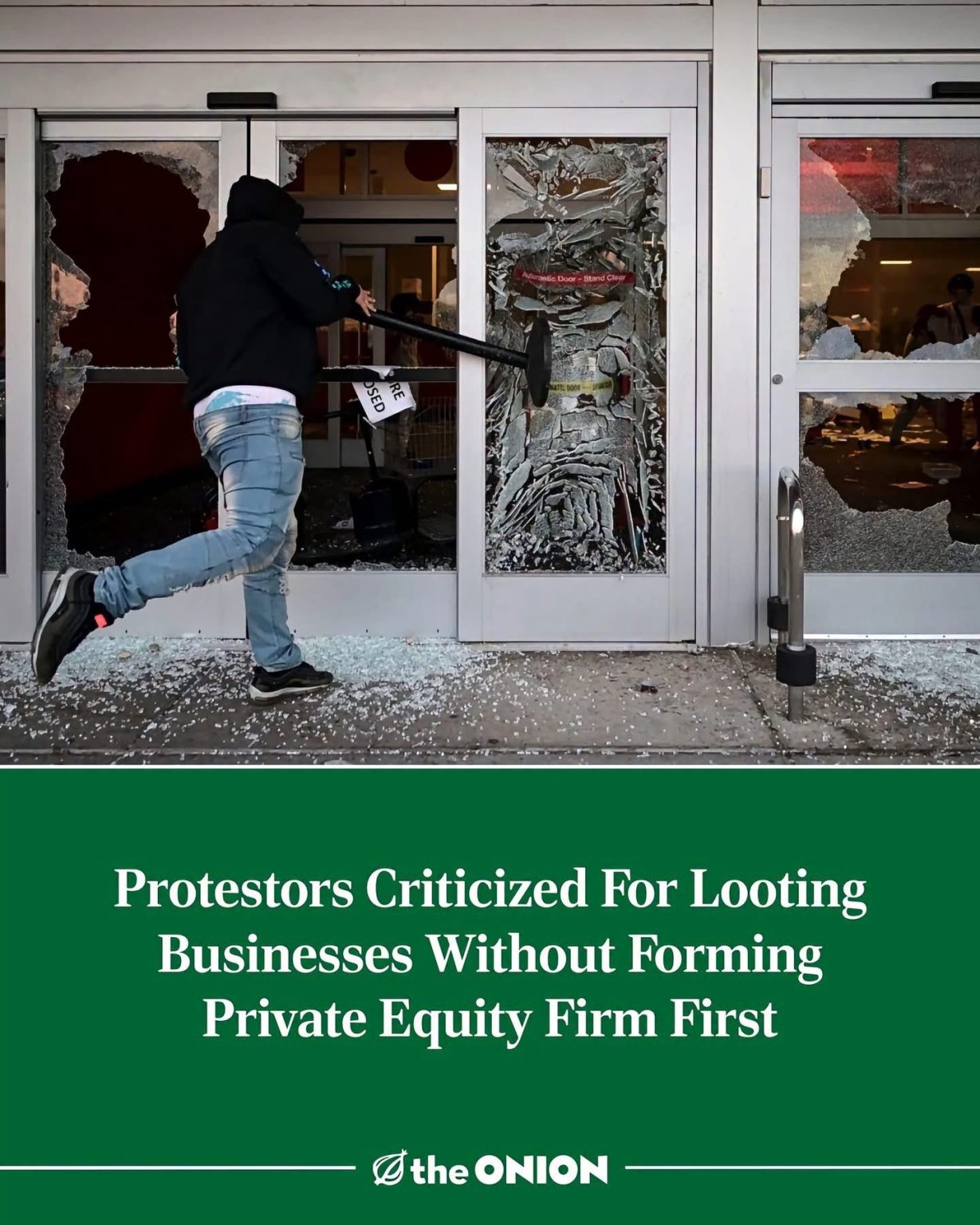
And this brings up an uncomfortable truism. Capitalism, whether liberal or neoliberal depends on government support and enforcement. Capitalist states depend on markets to provide the investment that creates jobs and provides the tax revenue for the infrastructure and social services that help legitimate themselves and also capitalism. And markets, of course, depend on states to function.
This is not just a matter of government constructed infrastructure or providing some degree of social services. Our elite don’t care about any of that. Everything should be privatized anyway. Instead, government has been repurposed to enforce markets. Markets don’t just emerge spontaneously, despite business propaganda to the contrary. Markets are imposed, and the state was indispensable to this, providing the essential legal, administrative, and material infrastructure that transferred the commons to capitalists, and enforced the surplus-value-of-labor which subordinated workers to their employer’s priority of accumulation.
Similarly, free trade and capital flows are not the spontaneous result of governments stepping back to allow markets operate. Globalization, with its velocity of goods and capital could not have occurred without the Washington Consensus, enforcing the rules of economic engagement, and protecting corporate and financial property rights. And when markets crash, it is states that intervene, something we witnessed in the aftermath of the 2008 Wall Street Crash when the Obama Administration bailed out the banks and financial institutions to save capitalism.
The freedom of capital is fundamentally at odds with substantive democracy. Since capitalism, by its very nature, concentrates wealth and therefore power, how could it possibly be compatible with democracy, a system that, if truly democratic, would disperse that very power? And because a democratic solution to this crisis would require a radical redistribution of wealth and power—something the elites will never voluntarily accept—the path we are witnessing is oligarchy with an increasing authoritarian/fascist bent.

What’s important to remember is that no matter what the neoliberal economists and business talking-heads say about democracy, freedom, free-markets or tyrannical government, all economies are planned. The important thing, especially for a republican form of governance, is who gets to do the planning. Do we want our economy democratically planned by elected representatives or private equity?
I think the midterms gave the answer but “power concedes nothing without a demand it never did and it never will.”

